Why Inclusion Creates Better Work
Commentary by Fabricio da Silva Mota, Product Marketing Manager at Volue.
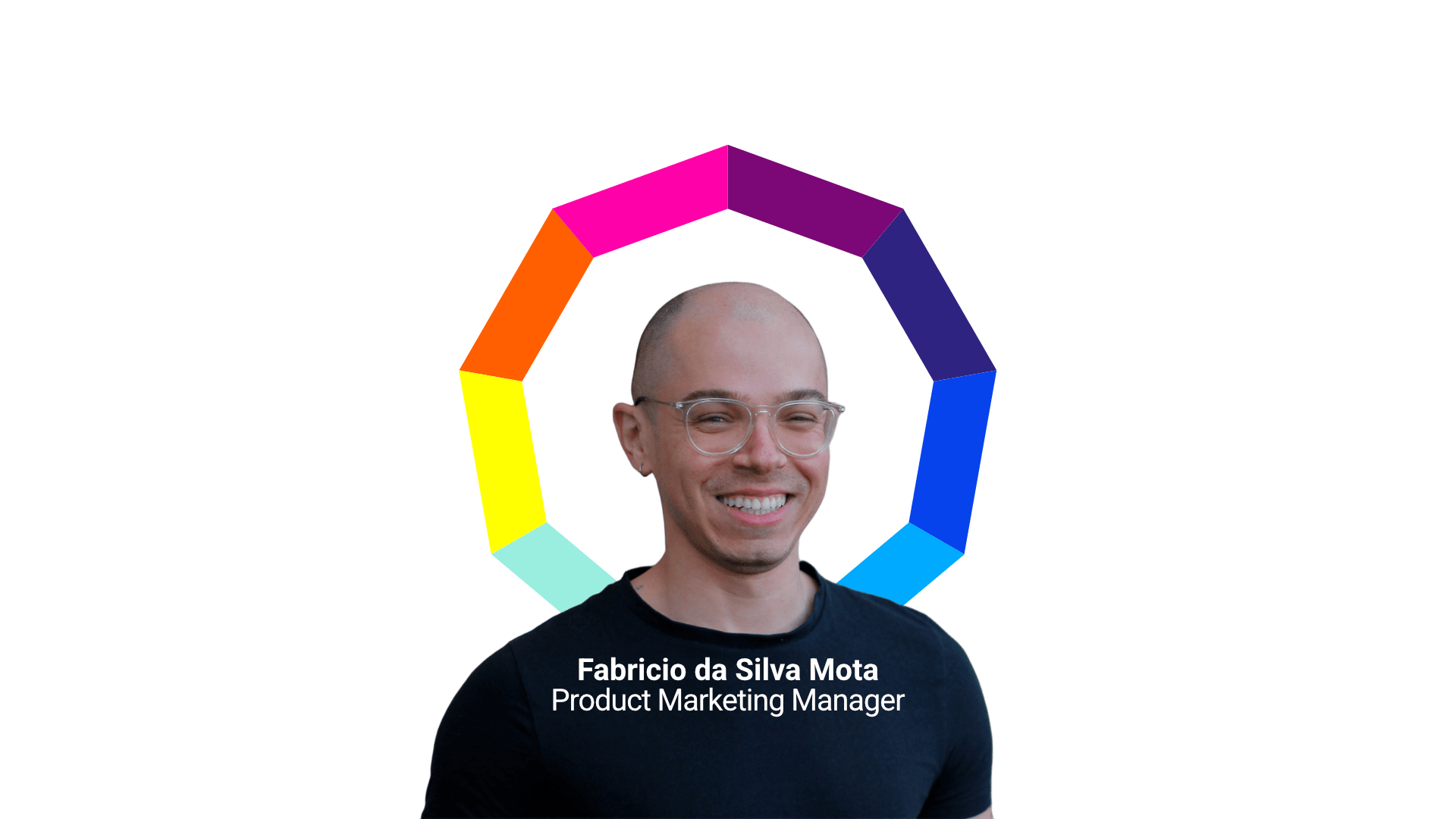
Commentary by Fabricio da Silva Mota, Product Marketing Manager at Volue.
Across the world, many people arrive at work carrying concerns that have little to do with their actual role.
They show up in small decisions that happen throughout the day: whether to ask a question, challenge an idea, admit uncertainty, contribute a different perspective, or share something about themselves. These decisions may seem small in isolation, but over time they shape how people participate and how teams work together.
When people spend energy managing perception or adapting themselves to fit expected norms, there is less energy available for collaboration, creativity and problem-solving. Over time, that affects not only individual experiences, but also the quality of work produced by teams.
For me, Pride in a workplace context has become closely connected to belonging.
Earlier in my career in São Paulo, and later again at Volue, I had the opportunity to work in teams with different backgrounds, perspectives and ways of thinking. What stood out most in those environments was not diversity itself, but the conditions created around it.
The strongest teams were not necessarily the ones with the most similar communication styles or the fastest path to agreement. They were environments where people felt comfortable expressing different opinions, challenging ideas respectfully, asking for help and contributing without needing to constantly manage how they were perceived.
In those teams, culture was not experienced as a statement or policy. It became visible in everyday interactions: in how feedback was given, how disagreement was handled, how questions were encouraged, and how different viewpoints were considered.
Working in Product Marketing has reinforced this perspective for me. The role naturally sits across Product, Sales and Marketing, requiring alignment across different priorities, experiences and expectations. That environment creates a constant reminder that stronger outcomes rarely come from uniform thinking. They emerge when people with different perspectives feel able to contribute openly and work toward a shared objective.
Inclusive environments do not eliminate disagreement or guarantee better decisions. What they do is increase participation.
When people feel safe contributing, conversations tend to become more honest and more productive. Teams surface risks earlier, challenge assumptions more effectively and create space for ideas that might otherwise remain unspoken.
This does not happen because everyone becomes more similar. It happens because people spend less energy protecting themselves and more energy engaging with the work itself.
Over time, that creates better collaboration, stronger decisions and more resilient teams.
This is what Pride at work means to me. It is belonging. It is creating environments where people from different backgrounds, experiences, generations, cultures, genders and identities have the opportunity to contribute and the conditions to perform at their best.
It is recognising that inclusion is not limited to representation. It also includes creating everyday moments where people feel comfortable expressing ideas, asking questions, disagreeing respectfully and being visible without feeling pressure to conform.
It is honest conversations, support that exists beyond specific moments in the calendar, and a shared understanding that different perspectives strengthen collective outcomes.
As a Product Marketing Manager, I spend much of my time helping teams align around customers, products and decisions. Experiences like these continue to reinforce a simple idea: the strongest teams are rarely defined by having the same perspectives in the room, but by creating environments where more perspectives can actively contribute.